An introduction to teaching in infant and toddler education, including an examination of contemporary theories, approaches, models, and frameworks relevant to this age group
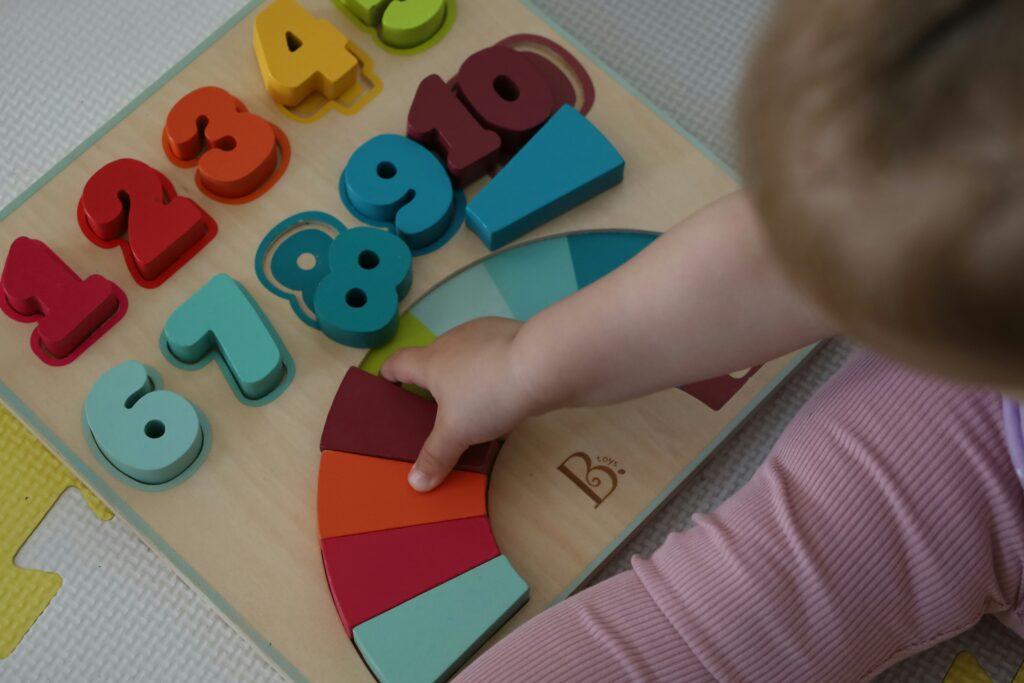
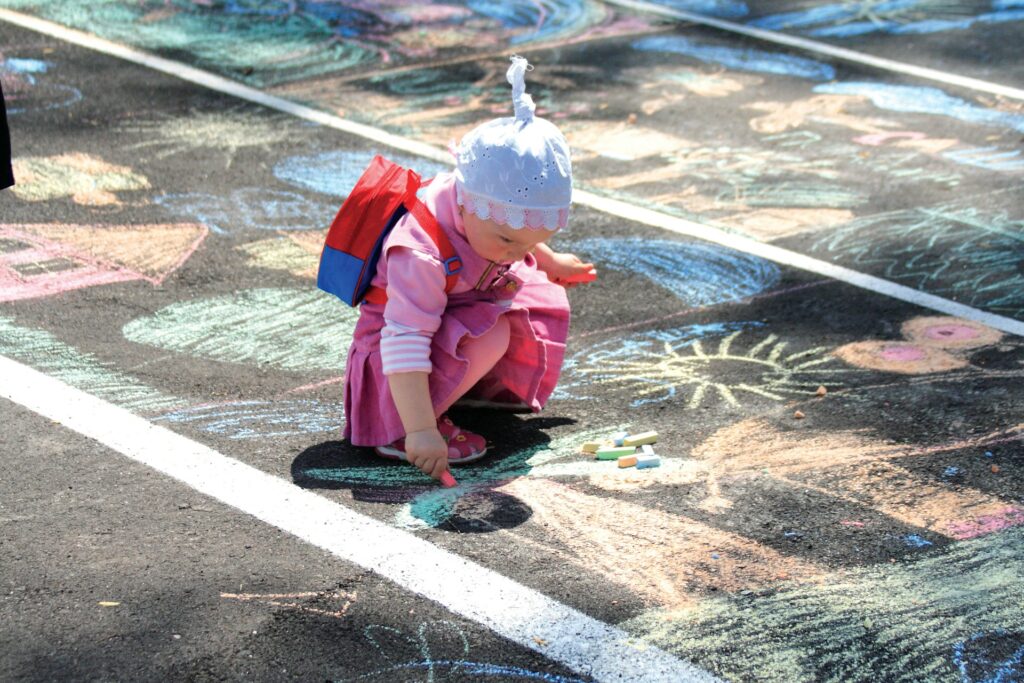
The first three years of life are when the brain develops most rapidly and crucially (Garvis et al., 2019; Harding, 2023).During this time, infants and toddlers build the neural architecture that will support all future learning, health, and welfare (Sharma et al., 2021). Contemporary Australian infant-toddler pedagogy is based on the idea that very young children are capable, active learners who learn through relationships, play, and responsive, reciprocal interactions with people and environments (Dean & Gillespie, 2015; The Education Hub, 2018; EYLF Belonging, Being & Becoming, 2022).
Important contemporary theories and concepts that direct superior practice include the following:
- According to attachment theory, safe relationships provide the basis for cognitive risk-taking and exploration (Bowlby, Ainsworth, and the Circle of Security) (McLean, 2016; Newman et al., 2015).
- Sociocultural theory (Vygotsky) states that learning is internalised through co-construction with more experienced individuals after initially occurring on the social plane (Nolan & Raban, 2015).
- According to Piaget’s sensorimotor and pre-operational stages, babies and toddlers actively generate knowledge through increasingly intentional behaviours and sensory experiences (Garvis et al., 2019).
- Neuroscience and the importance of serve-and-return interactions demonstrate that responsive parenting truly shapes the growing brain (Harding, 2023; Zero to Three, 2021).
- Pikler’s methodical approach and Rie’s Resources for Infant Educators (RIE) respect children’s independence, uninterrupted play, and natural motion (Kaywork, 2020).
- Reggio Emilia-inspired ideas, which see children as knowledgeable, curious, and full of possibility (Beloglovsky & Daly, 2015).
Both the National Quality Standard (NQS Quality Area 1) and the Early Years Learning Framework (EYLF V2.0, 2022) explicitly acknowledge infants and toddlers as capable learners whose Being (present-moment experiences) is just as significant as Becoming (future development). As a result, educators are urged to embrace a relational pedagogy that emphasises:
- rich, open-ended, sensory-rich environments;
- laid-back routines that honour individual rhythms;
- connections that are courteous, accommodating, and mutually intentional teaching moments incorporated into regular care routines (Arthur et al., 2024; Masterson, 2018).
This website has been created to assist early childhood educators by offering practical, evidence-based advice in all of the major curriculum areas and developmental domains. Theoretical insights, necessary educator competencies (aligned with Zero to Three Critical Competencies, Dean et al., 2019), authentic curriculum links, unique learning experiences, and multi-media resources (including video demonstrations) that can be used right away in infant and toddler rooms are all provided on each domain page.